Video Tag
Every video tagged “contact cement” in the library — a focused slice of the Halloween archive.
9 videos
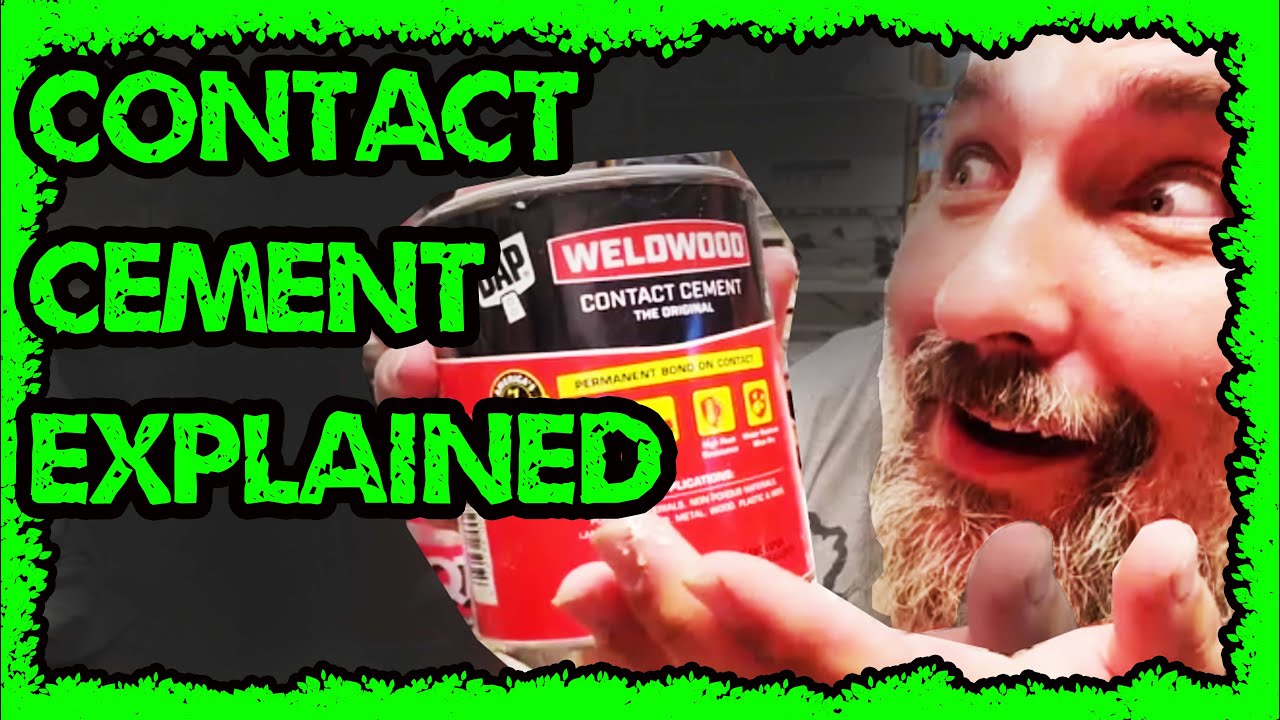
This short tutorial from Stiltbeast Studios covers the fundamentals of using contact cement, a go-to adhesive for prop makers, mask makers, and cosplayers alike. The video is aimed at newcomers to the craft and provides a quick, accessible introduction to one of the most relied-upon bonding agents in the haunt and cosplay world. Weldwood is referenced as a representative product.
Allen Hopps of StiltbeastStudios demonstrates a fast, budget-friendly method for creating realistic cobwebs using an inexpensive airbrush and contact cement readily available at hardware stores. The technique eliminates the need for specialty glue-web guns or rubber-cement web guns, making it accessible to haunters of any experience level. Convincing webs can be produced in just minutes, ideal for dressing haunted attractions or home haunts quickly.
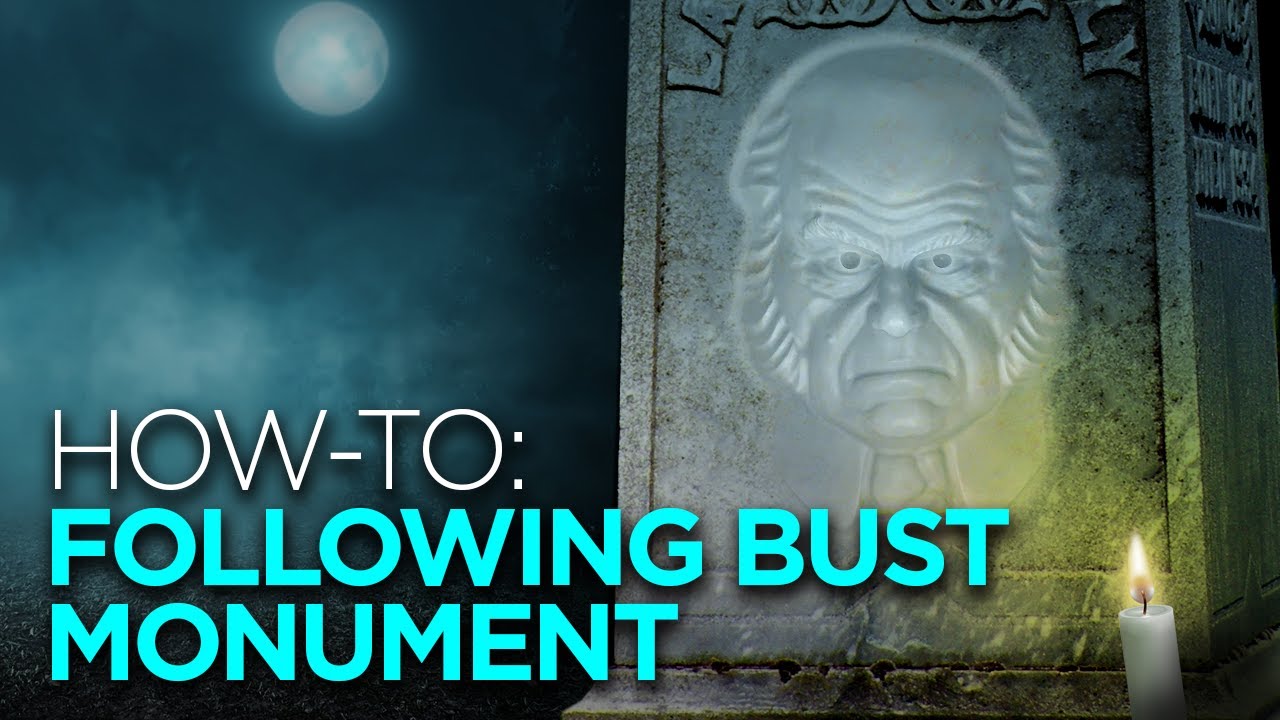
VanOaksProps walks through the first part of a two-part series on building a cemetery bust monument that uses an optical illusion to appear to follow viewers as they move. The build relies on accessible materials — XPS foam in two thicknesses, a cardboard tube armature, pipe insulation, and common adhesives — shaped with hot wire and routing tools. Sponsored by ChickenProps, the tutorial bridges the gap between a basic graveyard prop and a showstopping interactive centerpiece. The finished piece is designed to evoke the iconic "following bust" effect popularized by haunted mansion attractions.
VanOaksProps walks through a step-by-step foam build for a medieval-style lantern suited to Halloween displays, cosplay, or LARP. The tutorial covers core EVA foam techniques including shaping, beveling, and contact cement assembly, then finishes with an aged metal texture using acrylic modeling paste. A free downloadable pattern is provided so viewers can follow along at home. The finished prop works equally well as a haunt accent piece or a wearable costume accessory.
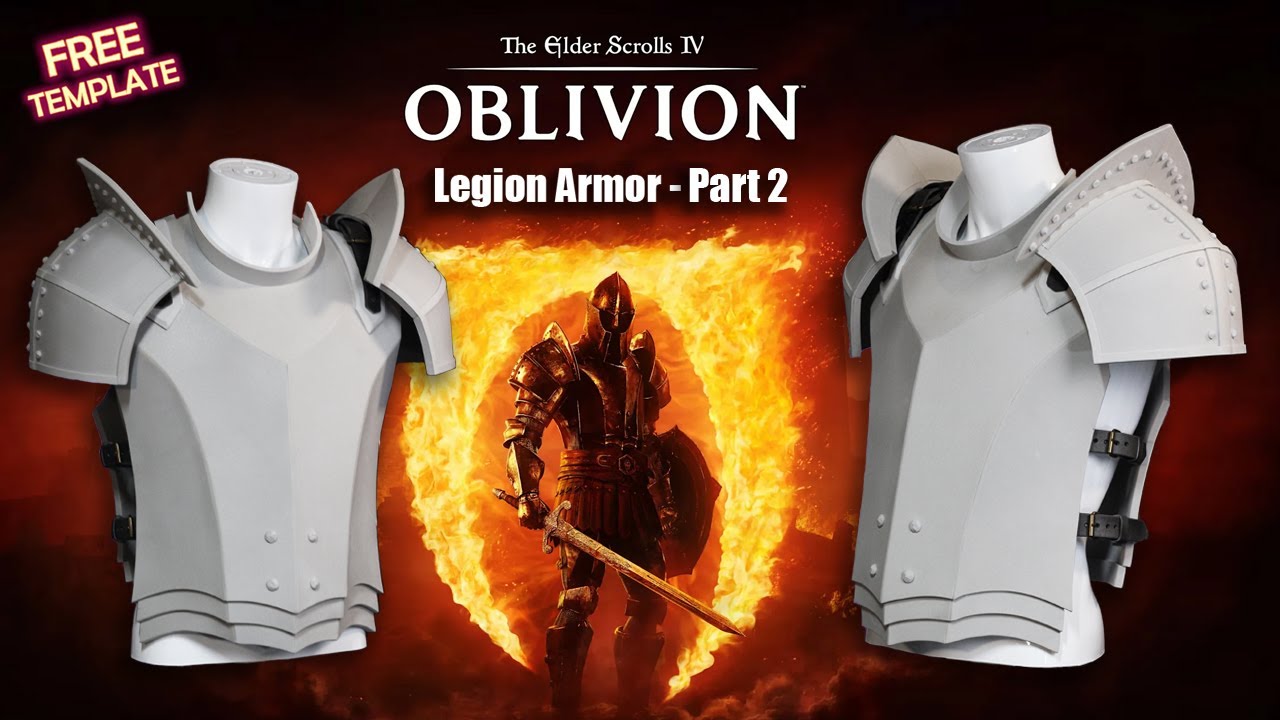
SKS Props walks through the construction of a knight pauldron/chest armor piece inspired by the Elder Scrolls: Oblivion Remastered, using EVA foam as the primary material. This is part two of a multi-video series that isolates the build process from painting and weathering into separate episodes. The creator provides free downloadable PDF templates on their website to help viewers replicate the armor shapes accurately. The tutorial is paced for beginners while remaining useful to more experienced foam smiths.
VanOaksProps walks through the construction of a display-quality C-3PO bust built from 3D-printed parts sourced from free Thingiverse models. The build covers surface prep with filler primer and multi-stage sanding, a multi-layer metallic paint finish, and the integration of acrylic light-panel material and LEDs for glowing eye inserts. Beacon Adhesives products are used throughout for assembly, with the finished piece destined for display at New York Comic Con.
VanOaksProps walks through a fast, budget-friendly method for crafting custom decorative finials from 5mm EVA foam using free downloadable templates. The build relies on accessible tools — a heat gun, X-Acto knife, and contact cement — to cut, shape, and bond the foam into polished architectural accents. A multi-step paint finish gives the finished pieces a convincing aged or metallic look. The free template download makes replication straightforward even for first-time foam builders.
Veteran haunt builder Allen Hopps of Stiltbeast Studios dives into the everyday adhesive he relies on most: contact cement. The video walks through what makes this glue a go-to in a Halloween prop shop, covering its key strengths and demonstrating its bonding power across different applications. It's a practical, no-nonsense look at a material that shows up constantly in foam work, mask making, and costume fabrication.
This short-form episode is part six of an ongoing graveyard bust build series from StiltbeastStudios, focusing on transforming a Victorian coat using contact cement and on-the-fly fabrication techniques. The creator embraces an improvisational approach to shaping and adhering materials to the prop or wearable piece. Despite its brief runtime, the clip offers a glimpse into professional-level prop construction workflow.