Video Tag
Every video tagged “heat gun” in the library — a focused slice of the Halloween archive.
16 videos
This tutorial from Monster Tutorials walks viewers through turning ordinary plastic milk jugs into convincing skulls using little more than a heat gun. The method is designed for budget-conscious haunters who need to produce a large number of skulls without spending much money. The result is a repeatable, beginner-friendly technique that can be scaled up to fill graveyards, catacombs, or any skull-heavy display.
Stiltbeast Studios demonstrates how to quickly build Halloween props using pool noodles and a heat gun, claiming full-body forms can be completed in roughly an hour and simpler structures in even less time. The approach is stripped-down and accessible, requiring minimal tools and inexpensive materials. It's a great entry point for haunters who want to populate a space fast without a big budget or advanced skill set.
StiltbeastStudios demonstrates a budget-friendly method for constructing lightweight costume wings using only pool noodles and polyethylene foam underlayment bonded together with a heat gun. The technique leverages the heat-fusing properties of polyethylene foam to create a strong, flexible structure without adhesives or sewing. The creator positions this as a versatile foundational method applicable well beyond wings to a wide range of wearable prop builds.
Wicked Makers hosts Jay and Jaimie run through the five tools they consider non-negotiable for any DIY Halloween prop builder or home haunter. The picks span basic cutting, bonding, and shaping tasks, covering nearly every project in their catalog. The video serves as a practical starting-point guide for newcomers and a useful checklist for seasoned haunters.
Monster Tutorials demonstrates a budget-friendly method for crafting realistic human skull props using empty plastic milk jugs shaped with a heat gun and vacuum cleaner. This is a follow-up to the creator's earlier milk jug skull video, refining the technique for better results. The approach turns everyday recycled materials into convincing haunted house or yard haunt skulls at minimal cost. Optional acrylic teeth can be added for extra realism.
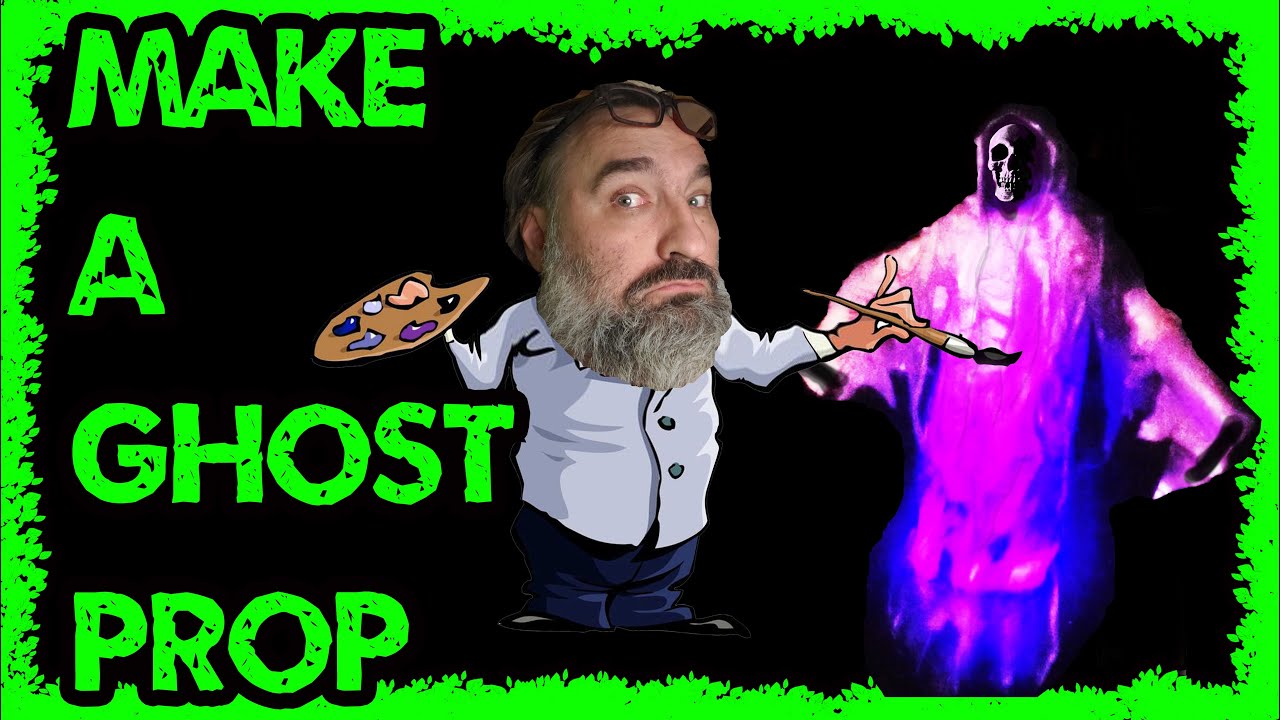
StiltbeastStudios walks through building a roughly 5-foot Halloween ghost prop suitable for yards or haunts using polyethylene foam underlayment and a heat gun. The build is designed to be accessible and budget-friendly, coming in around $30 in materials. The video focuses on core shaping techniques that can be repeated and varied to create a whole crowd of ghost figures with distinct character.
VanOaksProps walks through a beginner-friendly technique for transforming ordinary PVC pipe into convincing faux wood using a heat gun, Apoxie Sculpt for texture, and layered acrylic paints. The method is versatile enough to produce a witches' broom handle, a cauldron stirring stick, or a Harry Potter-style broomstick. Multiple earth-tone paint colors are blended and dry-brushed to achieve realistic wood grain and aging. A final Mod Podge seal protects the finished piece for display or wear.
Stiltbeast Studios walks through an accessible technique for turning inexpensive styrofoam wig heads into convincing skull props using basic tools. The process involves carving and detailing the foam with a soldering iron, shaping and texturing it with a heat gun, and finishing with acrylic or latex paint. Companion videos on plastic corpsing and making teeth are referenced for those who want to push the build further. The result is a budget-friendly, scalable prop suitable for haunted attractions or home haunts.
Stiltbeast Studios demonstrates how to bond polyethylene foam and pool noodles using a heat gun rather than adhesives. The technique is shown in real time at a deliberate pace, giving viewers a clear look at how heat fuses the foam surfaces together. This glue-free approach can simplify prop and costume fabrication by eliminating adhesive mess and cure time.
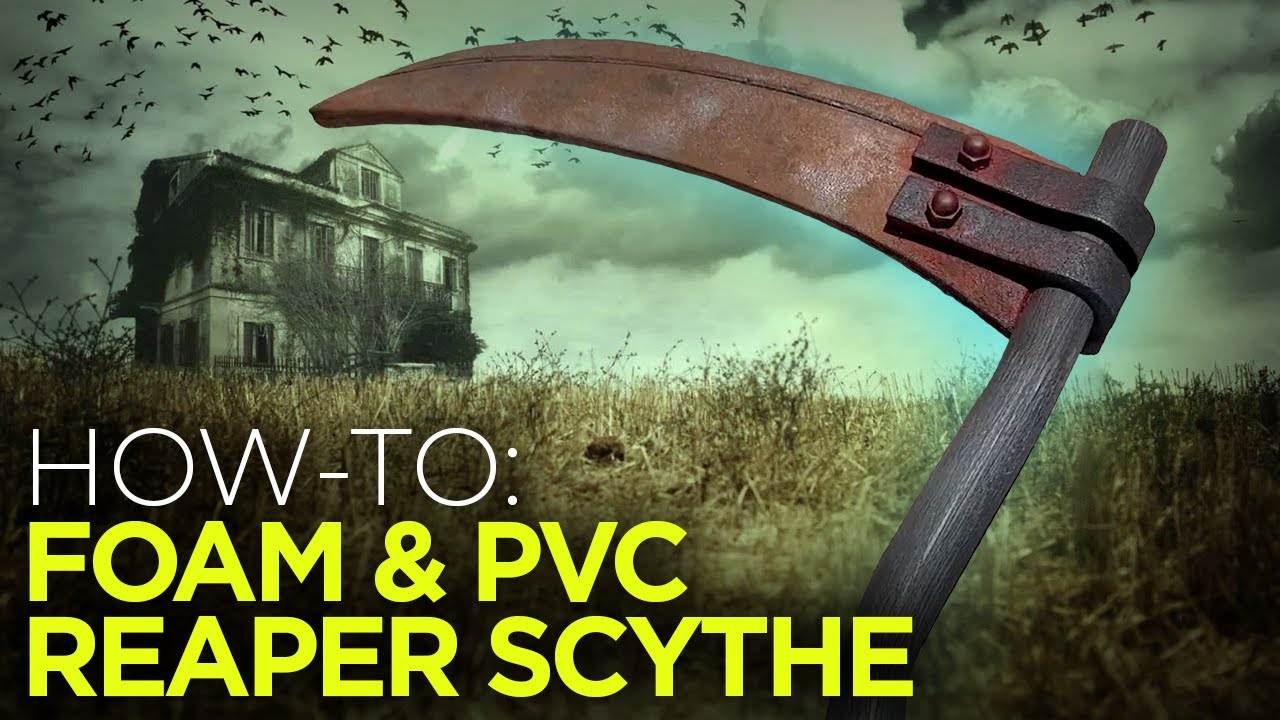
VanOaksProps walks through building a Grim Reaper scythe using readily available materials — EVA foam floor mats, PVC pipe, and hot glue — making this an accessible project for beginners and cosplayers alike. The blade is shaped from foam with a heat gun, mounted to a PVC handle, and finished with a Plasti-Dip base coat followed by layered acrylic paints for a realistic, weathered look. The build is designed to be completable in a few hours with minimal tools. Surebonder sponsored the video by providing their Cosplay Stik hot glue and glue gun.
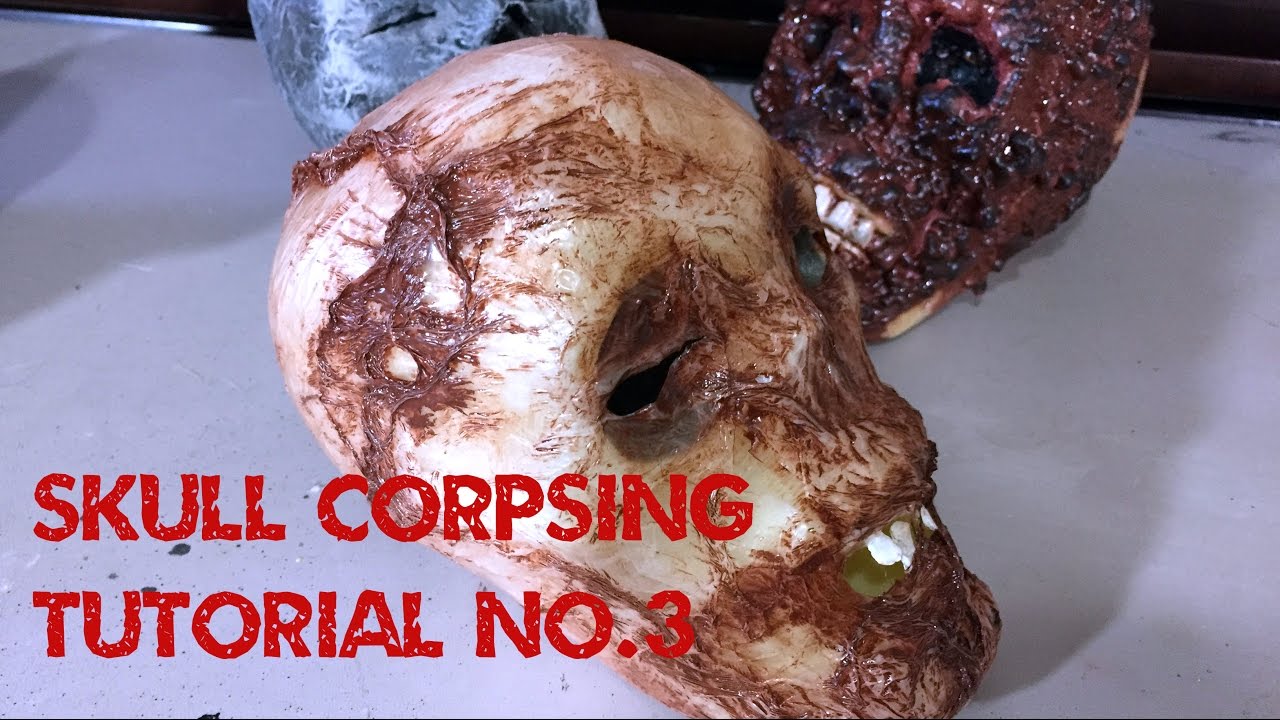
This is the third entry in Monster Tutorials' dollar store skull corpsing series, this time using plastic sheeting and a heat gun to create a convincingly decayed, tortured-looking skull prop. The technique relies on controlled heat to shrink and distress plastic over the skull's surface, producing realistic skin-like texture on the cheap. It pairs naturally with the channel's other corpsing methods — spray foam and toilet paper/glue — for a complete budget prop-making toolkit.
Monster Tutorials walks viewers through building a convincingly realistic fake kidney prop using accessible, budget-friendly materials. The technique centers on shaping polyfill and layering liquid latex, with a heat gun used to develop realistic surface texture. The finished piece is suitable for horror film productions, haunted house scenes, or novelty use. The host emphasizes simplicity and low cost throughout.
Monster Tutorials walks viewers through building a creepy rotten gourd Halloween prop from start to finish. The build centers on a foam gourd base that is distressed and detailed with acrylic teeth, resin cast eyes, and fly accents to sell the decayed look. Companion tutorials for the teeth and resin eyes are referenced, making this part of a broader prop-building series. The finished piece is designed to serve as a striking Halloween display centerpiece.
VanOaksProps walks through transforming a plain PVC pipe into a realistic-looking bamboo shaft, then assembling it into a detailed witch doctor or forbidden temple staff. The build incorporates skulls, rope, raffia, and Spanish moss for a tribal aesthetic inspired by attractions like Disney's Jungle Cruise and Indiana Jones. Heat shaping, rotary tool carving, and airbrushing are combined to achieve convincing bamboo texture and aged coloring. A creator correction notes that Spanish moss — not sphagnum moss — is the material actually used.
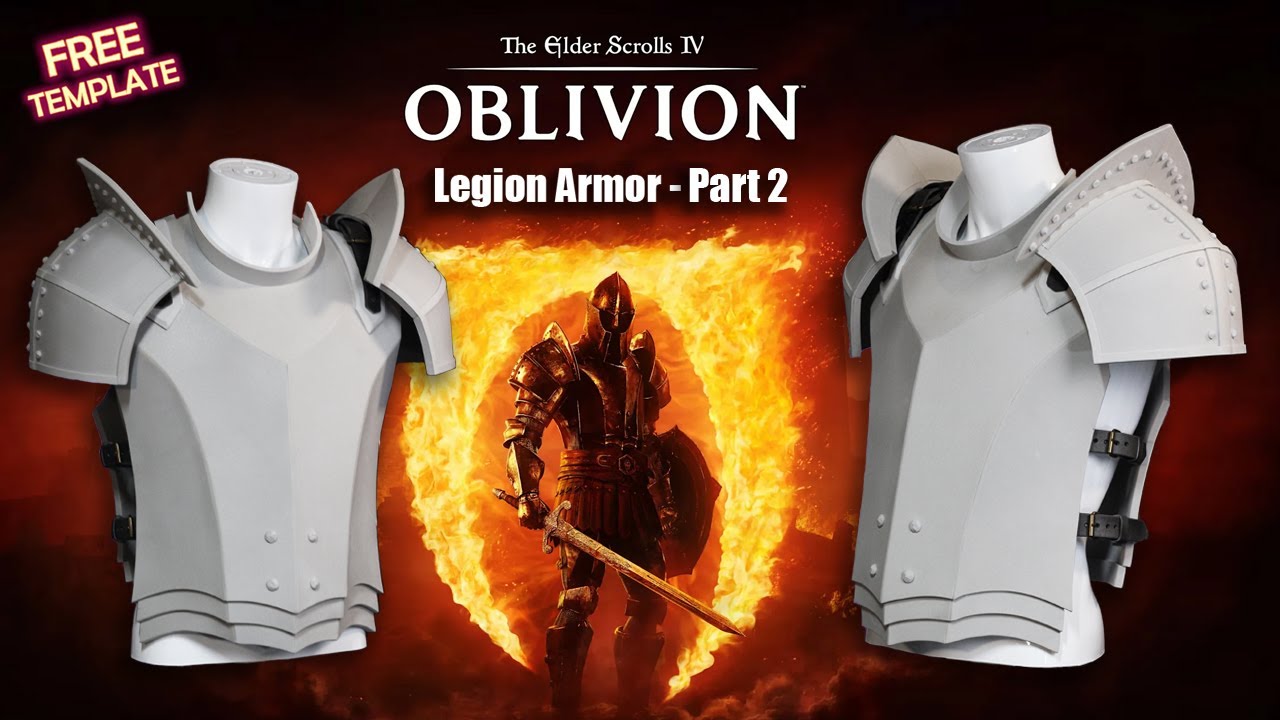
SKS Props walks through the construction of a knight pauldron/chest armor piece inspired by the Elder Scrolls: Oblivion Remastered, using EVA foam as the primary material. This is part two of a multi-video series that isolates the build process from painting and weathering into separate episodes. The creator provides free downloadable PDF templates on their website to help viewers replicate the armor shapes accurately. The tutorial is paced for beginners while remaining useful to more experienced foam smiths.
VanOaksProps walks through a fast, budget-friendly method for crafting custom decorative finials from 5mm EVA foam using free downloadable templates. The build relies on accessible tools — a heat gun, X-Acto knife, and contact cement — to cut, shape, and bond the foam into polished architectural accents. A multi-step paint finish gives the finished pieces a convincing aged or metallic look. The free template download makes replication straightforward even for first-time foam builders.